Destinations
Svalbard
Where the Arctic Feels Personal
Svalbard is an Arctic safari for travelers who value quiet, expert-led access over spectacle: glaciers and fjords, seabird cliffs, and wildlife that still moves by its own rules. Much of the archipelago is protected, and tourism is tightly regulated … part of what keeps the experience intimate, not crowded.
We plan Svalbard as a low-impact expedition: small groups, skilled guides, and a respectful distance that puts animal welfare first. In practical terms, that means choosing operators who understand the latest rules for landings and wildlife viewing, and building an itinerary that earns its moments rather than chasing them.
Best Times to Visit
Sunny Winter (1 Mar–16 May): Crisp light, snow travel conditions, and long “blue hour” days.
Midnight Sun (17 May–23 Aug): 24-hour daylight and peak summer expedition season for boat-based exploration as sea ice retreats.
Golden Autumn (24 Aug–30 Sep): Softer light and a quieter shoulder season before winter sets in.
Northern Lights Winter (1 Oct–28 Feb): Darkness, aurora potential, and a more inward-feeling Svalbard.
iconic wildlife
Polar Bear
Walrus
Arctic Fox
Svalbard Reindeer
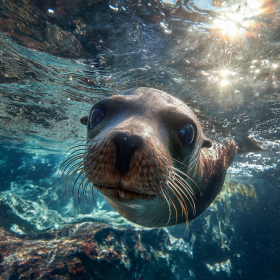
Whales and Seals
How do you like your wild?
Let us create your dream Svalbard adventures
Reflecting On Flamingos
Laguna Chaxa, Chile
23° 19′ 41″ S / 68° 10′ 02″ W
— Lord Byron
“The stirs the feeling infinite, so felt in solitude, where we are least alone.”
Frequently Asked Questions About Svalbard
Is Svalbard “a safari,” really?
Yes—if you define safari as expert-guided tracking and ethical wildlife time in a wild landscape. It’s less about ticking species and more about reading sea ice, weather, and animal behavior with guides who prioritize distance and safety.
Do I need a visa to visit?
Visa rules can be counterintuitive because Svalbard is not part of the Schengen Area even though it’s under Norway. If you require a Schengen visa, you typically need a multiple-entry visa because travel to/from Svalbard often transits mainland Norway/Schengen. Guidance from UDI explains this clearly.
How is tourism regulated to protect the place?
Visitors pay an environmental fee, and there are specific rules for where and how tourism can operate—especially in protected areas, where landing regulations and traffic restrictions may apply. These rules are part of what preserves Svalbard’s sense of remoteness.
Is it safe to travel outside the settlements on my own?
Outside settlements, polar bear risk is real. The Governor of Svalbard states that anyone traveling outside settlements must carry suitable deterrents, and recommends carrying firearms—most travelers address this by going with professional guides/organized excursions rather than going solo.
How close can we get to wildlife?
The standard is space and patience, not approach. Operator guidelines used in Svalbard emphasize large minimum distances for sensitive species (notably polar bears and walrus), and prohibit pursuing, luring, or disturbing animals.