

As we look toward 2026, I feel an incredible sense of anticipation. This year isn’t just about expanding Rewild Safaris’ destination offerings, it’s about deepening our commitment to conservation by experiencing, firsthand, the places where our presence can truly make a difference.
Rewild Safaris was founded to connect travelers with the wild in a way that supports the people and wildlife who depend on these landscapes. And this year, we are traveling to both new and old destinations to expand our conservation offerings. There’s no substitute for being on the ground, learning directly from local conservation leaders, and ensuring that every journey we offer contributes to something meaningful and lasting.
Below is a look into where we’re going in 2026, why these places matter, and what we hope to accomplish there.
Polar Ecosystems: Conserving the Edges of the Earth

Expanding into polar destinations remain a crucial part of Rewild Safaris’ 2026 journey because the lessons they teach our travelers about climate, resilience, and conservation are essential.
In Churchill, Canada, popular for the gathering of polar bears along Hudson Bay and waiting for the ice to form giving the opportunity to experience firsthand the increasing challenges polar bears face as ice dependent species, is the main draw, I am visiting during the best times to view wolves. Since our accommodations partners are in remote areas, the wolves have never been persecuted, so it is one of the best locations to experience wolves in their natural habitat.
Further to the north, our team will explore Svalbard, a stark, beautiful world dominated by ice, glaciers, and hardy wildlife. The land-based exploration includes observing polar bears, walruses, and seabirds survive in one of the most rapidly changing ecosystems on the planet.
Our time on these expeditions will deepen our understanding of how climate change is reshaping the Arctic and emphasize the importance of responsible, ethical wildlife observation in fragile environments. They will help us build partnerships and design experiences that honor both the wildlife and the delicate landscapes they depend on.
Explorations Into Rwanda and the Congo River Basin
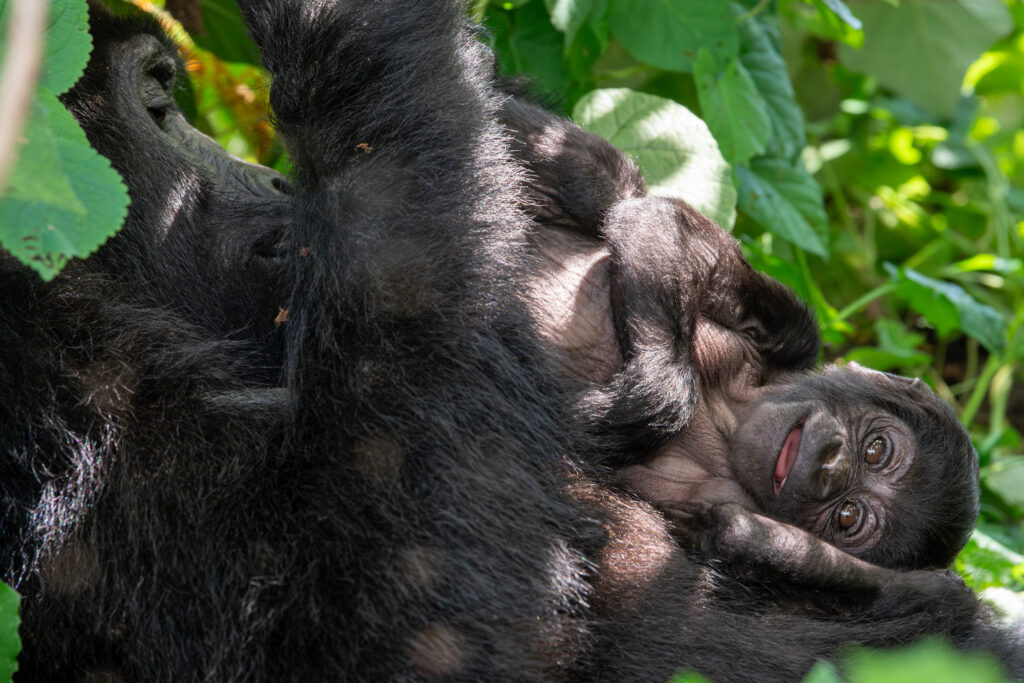
Ever since my first safari in 1989, Rwanda has long been one of my favorite places on Earth. This year, more than 35 years since my first visit, I’ll be returning to deepen our partnership with the Dian Fossey Gorilla Fund, whose work has been instrumental in one of the world’s greatest conservation victories: the remarkable rebound of mountain gorillas. Carefully managed tourism has played a powerful role in their recovery, proving that when communities benefit, wildlife thrives.
But Rwanda has developed to more than an East Africa extension, it’s a full safari destination. I will be exploring additional landscapes beyond Volcanoes National Park to expand traveler experiences and support Rwanda’s broader conservation vision.
The Congo Basin has captivated me since the 1990s, when the iconic National Geographic cover featuring forest elephants sparked my imagination. Later this year, I’m finally realizing a dream by traveling to this extraordinary region, one of the most ecologically significant places on the planet and one that urgently needs sustainable tourism to help protect it. I am especially excited to experience firsthand the incredible diversity of primates here, including the chance to observe Western lowland gorillas, chimpanzees, and other remarkable species that make these forests their home.
If we can help replicate the mountain gorillas’ success story here, supporting Western lowland gorillas, chimpanzees, forest elephants, and the communities who are stewards of these forests—it will be one of the most meaningful and exciting conservation efforts we’ve ever embarked on. The prospect of encountering these extraordinary primates and contributing to their future makes this upcoming journey truly unforgettable.
Botswana: Exploring New Corners of a Beloved Landscape
Botswana remains one of our most popular destinations, and for good reason, its conservation model is among the strongest in Africa. But even in familiar wildlife havens, there is always more to learn and more opportunities to innovate.
I look forward to visiting new areas and connecting with conservation partners to elevate the traveler experience and design unique, conservation focused safaris that reveal new dimensions of Botswana’s wilderness.
Madagascar: A Conservation Urgency Like No Other

Few places on Earth carry the weight Madagascar does, a world of endemic species found nowhere else, and forests disappearing at an alarming rate.
Building sustainable ecotourism in Madagascar isn’t optional; it’s essential for the survival of its wildlife. One of my highest priorities this year is forging strong relationships with local operators and conservation organizations, including Wildlife Madagascar, to help make Madagascar one of the world’s top conservation driven safari destinations.
Tracking lemurs in the forest, especially one of the nine species of sifaka, is an experience I believe everyone should have at least once. The wildlife encounters here are truly second to none.
Alaska: Rewriting the Narrative Around Brown Bears
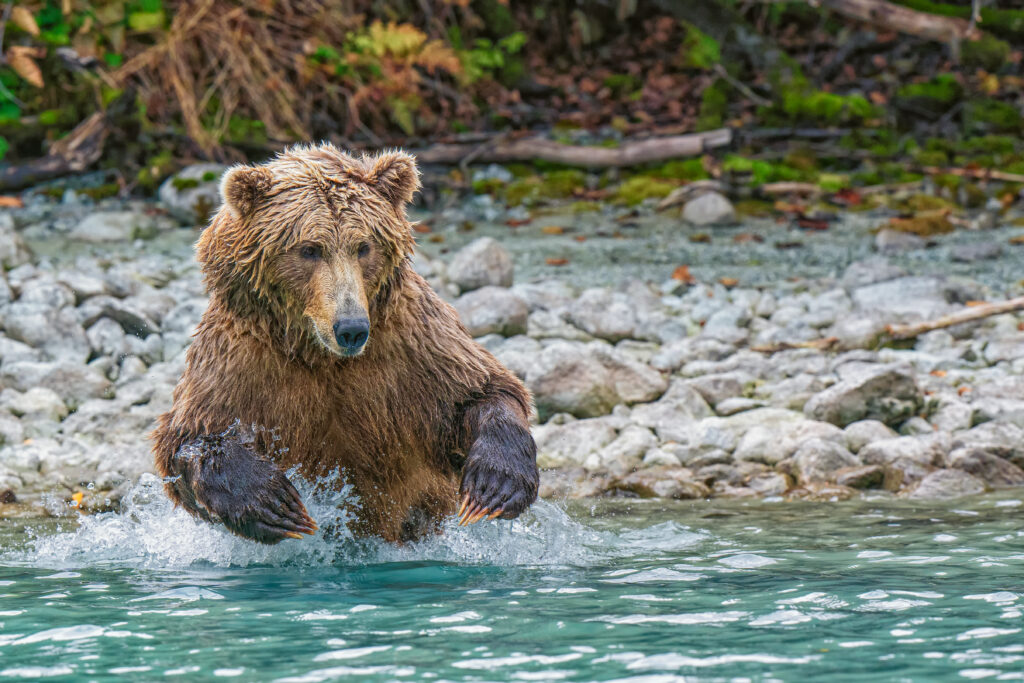
I am thrilled to be leading a group into the remote coastal ecosystems of Alaska to observe coastal brown bears in their natural environment, one of the greatest wildlife experiences on Earth, rivaled only by time with mountain gorillas.
Seeing these bears up close changes people. It replaces fear with awe and misunderstanding with connection. And that shift is critical to protecting the species and the ecosystems they anchor. Alaska is central to our plan to expand our opportunities closer to home and offer experiences that support the conservation of our native wildlife and habitats.
Mozambique: Visiting Gorongosa, A Beacon of Hope
The restoration of Gorongosa National Park, one of Africa’s most inspiring conservation success stories, is proof of what longterm commitment, science based management, and community involvement can accomplish.
I’m excited to visit Mozambique to develop opportunities for Rewild Safaris to support this model by offering travelers a chance to experience the park’s recovery firsthand.
Baja: Expanding Marine Experiences Close to Home
Another destination closer to home, we are spending time in Baja, exploring the extraordinary marine world of gray, blue, humpback whales, and even whale sharks.
We’re excited to broaden our oceanbased offerings, connecting travelers to marine ecosystems and conservation work in a region that’s both accessible and unforgettable.
Australia: A Continent of Endemic Wonders

Due to growing traveler interest, our team is exploring multiple regions across Australia, from marsupials to birdlife to unique marine ecosystems, to build conservation focused journeys that showcase Australia’s incredible biodiversity.
Looking Ahead: Why This Work Matters
Across all these destinations, Rewild Safaris’ 2026 focus remains clear:
- Building ecotourism that supports conservation
- Connecting marine and land-based ecosystems
- Learning from places facing climate change and recovery
- Designing future safaris with intention, care, and impact
These field experiences ensure that every future Rewild safari is informed by firsthand understanding and deep respect for the wild places we explore.
Here’s to a year of discovery, partnership, and purpose.
— James Ward, Rewild Safaris